

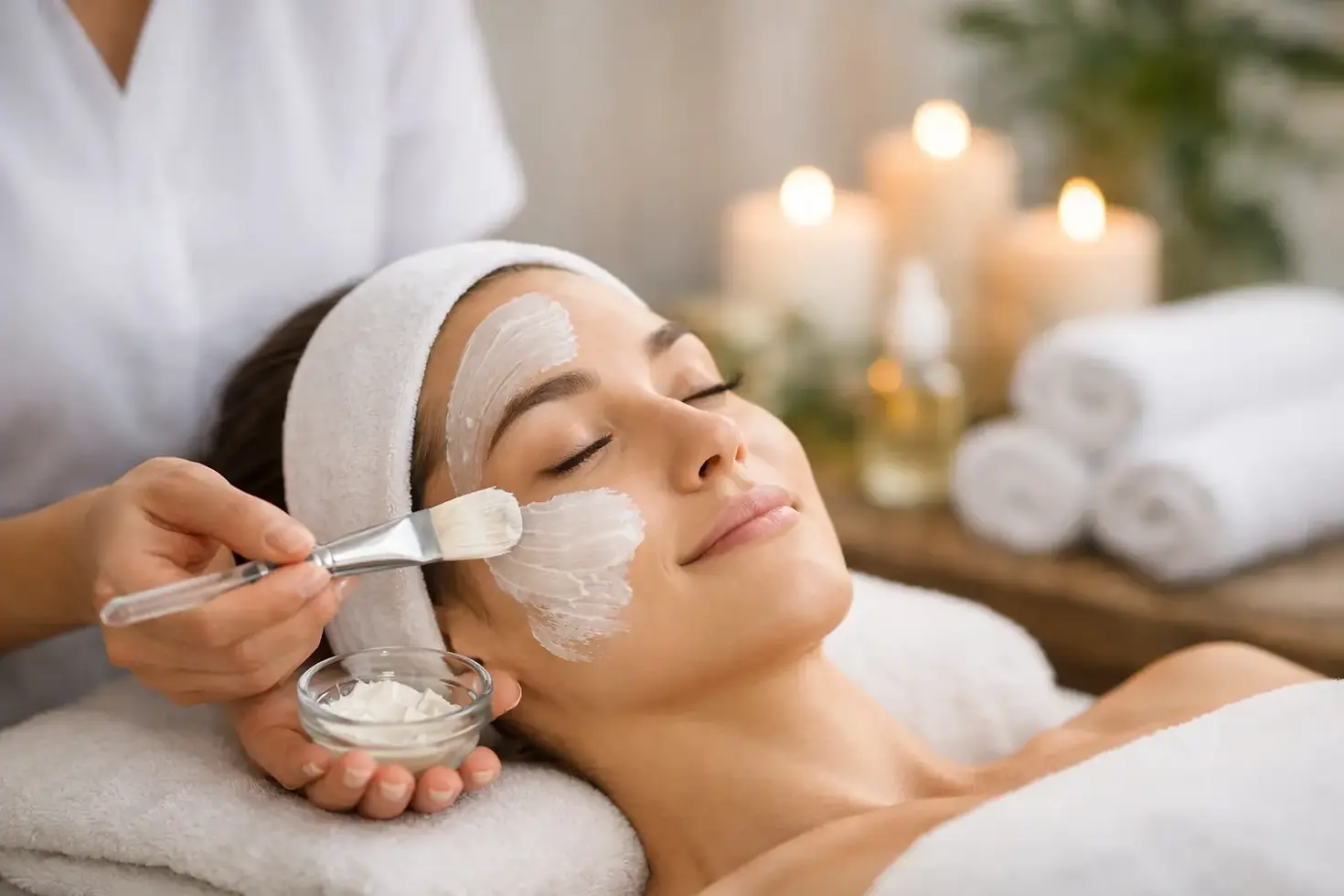
How Often Should You Get a Facial for Healthy Skin?

A facial should feel like more than a quick fix before an event. It is dedicated time to check in with your skin, calm what is irritated, clear what feels congested, and choose care that supports where you are right now. If you are wondering how often get a facial treatments, the most helpful answer is not a one-size-fits-all schedule. Your skin type, current concerns, home routine, and treatment goals all matter.
For many people, a facial every four to six weeks is a comfortable starting point. That timing generally follows the skin's natural renewal cycle and gives a licensed esthetician a chance to notice patterns before they become bigger frustrations. Still, some skin benefits from more frequent gentle care, while other skin needs longer breaks between professional treatments.
How Often Should You Get a Facial?
A monthly facial is often ideal for maintaining balanced, healthy-looking skin. It can support consistent cleansing, gentle exfoliation, hydration, and professional guidance as the seasons, stress levels, and hormonal changes affect your complexion.
That does not mean everyone needs a facial every month. If your skin is clear, comfortable, and responding well to your home routine, every six to eight weeks may be enough. If you are preparing for a special occasion, addressing stubborn congestion, or beginning a new skin-care plan, your esthetician may recommend a short series of treatments closer together, followed by maintenance appointments.
The goal is never to overwork your skin. More treatments are not automatically better. Healthy skin responds best to thoughtful care, appropriate products, and enough time to recover between exfoliating or corrective services.
Let Your Skin Goals Set the Pace
The right facial frequency changes depending on what you want support with. A relaxing, hydrating facial can often be enjoyed monthly, especially when stress, travel, dry indoor air, or seasonal weather leaves your complexion looking dull or feeling tight. Gentle care can be a meaningful part of an intentional self-care routine.
If clogged pores, blackheads, or recurring breakouts are your main concerns, you may benefit from facials every two to four weeks for a limited period. Professional extractions and calming treatment can help create a cleaner starting point, but the approach should stay gentle. Aggressive exfoliation, picking, or too many active products can leave acne-prone skin more inflamed.
For concerns such as uneven texture, dark spots, fine lines, or post-acne marks, a treatment plan may include facials alongside peels or other advanced services. These visits are usually spaced according to the strength of the treatment and how your skin responds. A mild exfoliating facial may fit into a monthly schedule, while a deeper peel requires more recovery time and careful aftercare.
If your priority is simply maintaining healthy, comfortable skin, consider booking every four to eight weeks. Consistency matters more than chasing perfection. A sustainable rhythm is one you can keep without pressure.
Dry or sensitive skin
Sensitive skin does not need to be left out of professional care. It simply needs a more mindful approach. A facial every six to eight weeks with calming, barrier-supportive products may feel more appropriate than frequent exfoliation.
Tell your esthetician if you experience stinging, flushing, eczema, rosacea, allergies, or sensitivity to fragrance. These details help shape a service that feels restorative rather than overwhelming. You may be encouraged to avoid scrubs, retinoids, and strong acids for a few days before and after your appointment, depending on the treatment.
Oily or congested skin
Oily skin can sometimes benefit from treatment every three to four weeks, particularly when congestion and visible blackheads are ongoing concerns. Regular professional cleansing may help keep pores from feeling overloaded, but it should be paired with a simple, consistent home routine.
It is easy to mistake oiliness for a need to dry the skin out. In reality, harsh cleansers and frequent stripping treatments can trigger more irritation and imbalance. The right facial should leave your skin feeling clean and refreshed, not tight or raw.
Mature or changing skin
As skin matures, it may become drier, thinner, or less resilient. Monthly hydrating facials and carefully selected exfoliation can support a smoother, more radiant appearance without being overly aggressive. Skin can also change during pregnancy, perimenopause, menopause, periods of high stress, or after changes in medication, so your schedule may need to shift over time.
Signs It May Be Time to Book
Your calendar is not the only guide. Your skin often lets you know when it needs more support. You may be ready for a facial if your usual products suddenly seem less effective, makeup sits unevenly, your face feels rough or dehydrated, or you are seeing a buildup of congestion around the nose, chin, or jawline.
A facial can also be a helpful reset when you have been under unusual stress, traveling often, wearing heavier makeup, or spending more time in dry heat or air conditioning. These are not reasons to panic about your skin. They are simply moments when professional care and a little dedicated attention may feel especially good.
On the other hand, wait and ask for guidance if your skin is sunburned, actively peeling, severely irritated, or healing from a recent procedure. If you have a persistent rash, painful cystic acne, a suspected infection, or a changing mole, a medical professional should be your first call. Facials support skin wellness, but they do not replace dermatologic care when a medical concern is present.
What Happens Between Appointments Matters
A professional facial can give your skin a beautiful boost, but your daily habits carry that care forward. You do not need a complicated shelf full of products. A gentle cleanser, moisturizer suited to your skin, and daily broad-spectrum sunscreen are a strong foundation for most people.
If you use active ingredients such as retinol, exfoliating acids, benzoyl peroxide, or prescription acne products, be open about them before your appointment. Your esthetician can adjust the service and help you understand what to pause beforehand. This protects your skin barrier and helps prevent unnecessary sensitivity.
Hydration, sleep, stress management, and balanced nourishment can also show up in the way your skin feels. A facial is a wonderful external ritual, but many clients appreciate pairing skin care with whole-body self-care that helps them slow down and reconnect with their wellness goals.
Facials Before Events: Give Your Skin Time
If you have a wedding, photoshoot, vacation, or important celebration on the calendar, do not schedule your first-ever facial the day before. Even a gentle treatment can occasionally lead to temporary redness or a small purge as congestion comes to the surface.
For a familiar hydrating facial, booking three to seven days before an event often gives your skin time to settle and look refreshed. If you are trying a peel, extractions, or a more corrective service, allow several weeks. Starting a consistent plan two to three months ahead gives you space to learn what your skin loves without rushing the process.
A Personalized Plan Feels Better Than a Rule
The best facial schedule is one built around your actual skin, not a trend or a strict promise. At Clean Start Cleansing, that can begin with a conversation about what you are noticing, what you use at home, and how you want to feel when you leave. There is no judgment and no pressure to choose more than your skin needs.
Think of your next facial as a chance to listen to your skin with gentle guidance. Whether monthly care feels right or a quieter every-other-month rhythm suits your life, the most meaningful results come from care that feels consistent, comfortable, and truly yours.


Comments