

How to Care for Skin After a Peel Safely

A peel can leave your complexion looking fresh, smooth, and bright, but the days that follow are when your skin needs the most patience. The right care for skin after peel treatment protects your results while giving the skin barrier time to recover. Think gentle support, not a long list of products or aggressive fixes.
Whether you received a light professional peel, an enzyme treatment, or a more active chemical peel, your provider’s instructions should always come first. Peel strength, the ingredients used, your skin history, and the condition being treated all affect the appropriate recovery plan. There is no judgment if you are unsure what to use next - asking before applying a product is a form of good self-care.
What Your Skin May Do After a Peel
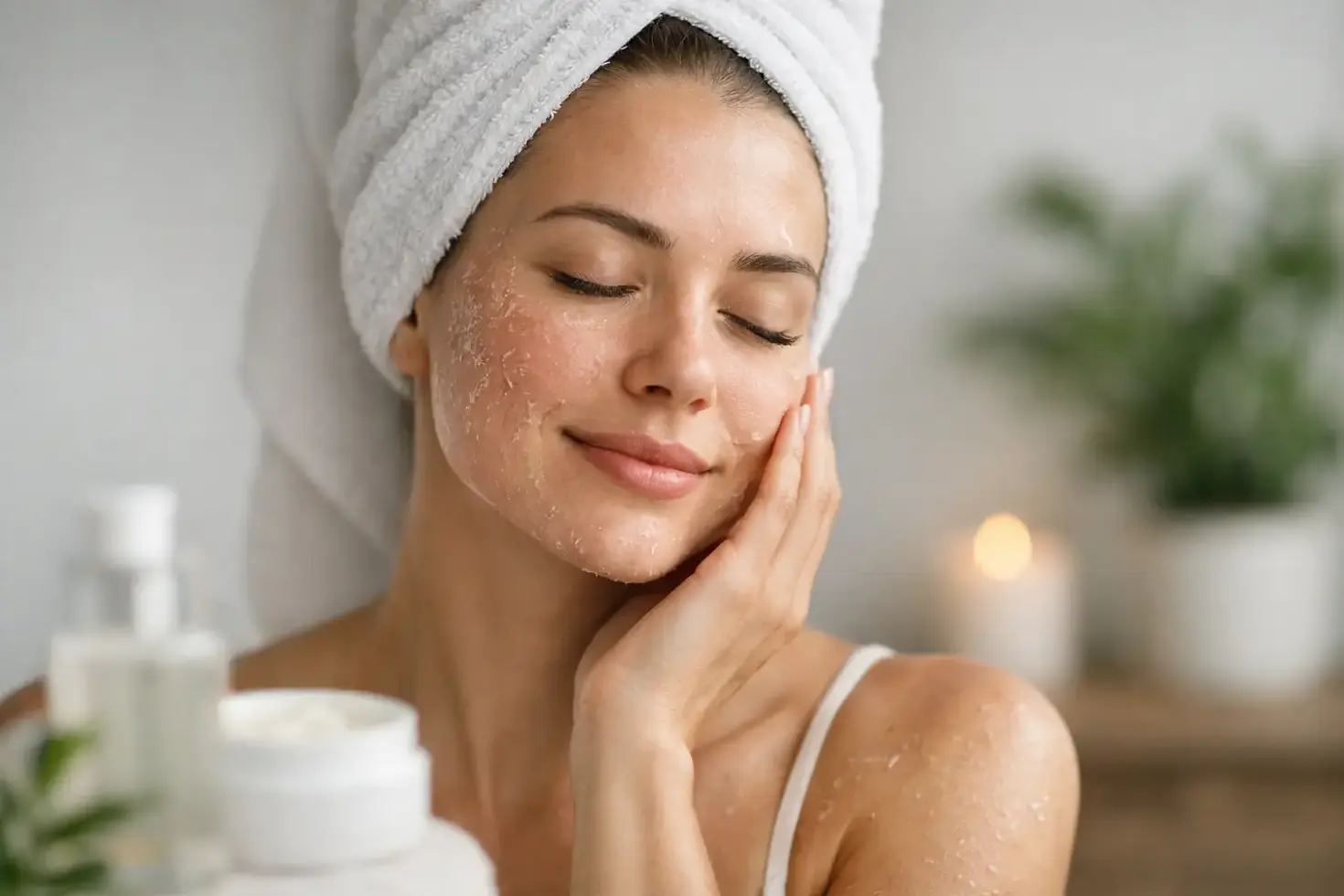
After a peel, it is common to notice temporary tightness, dryness, mild redness, flaking, or visible peeling. Some people barely peel at all, while others experience a few days of shedding. More peeling does not automatically mean better results. Your skin’s response depends on the type of peel and how your individual skin heals.
The goal is not to force the old skin off. The goal is to support a calm, comfortable recovery so fresh skin underneath is not irritated. Picking, rubbing, scrubbing, or using strong products too soon can lead to unnecessary inflammation, prolonged sensitivity, and uneven-looking areas.
If your treatment involved a deeper peel, you may be given a more specific home-care plan. Follow that plan closely, even if your skin seems to be recovering quickly.
Care for Skin After Peel: The First 48 Hours
The first two days are about keeping your routine simple. Cleanse with cool to lukewarm water and a mild, fragrance-free cleanser if your provider has said cleansing is appropriate. Pat the skin dry with a clean, soft towel rather than rubbing.
Apply a gentle moisturizer recommended for sensitive or post-treatment skin. Look for comfort and hydration rather than active ingredients. A basic, barrier-supporting cream can help relieve tightness and reduce the urge to touch or pick at flaky spots.
Sun protection is non-negotiable. Newly treated skin is especially vulnerable to sun exposure, which can worsen redness and raise the risk of discoloration. Wear a broad-spectrum SPF 30 or higher every morning, even if you will mostly be indoors or driving. A wide-brimmed hat and shade provide another layer of support when you are outside.
For the first 24 to 48 hours, many clients also benefit from avoiding excess heat and sweat. That can mean pausing intense workouts, hot yoga, steam rooms, saunas, hot baths, and very hot showers. Heat may increase flushing and discomfort while the skin is sensitive. Your exact timing depends on your peel, so ask your provider when it is comfortable to return to your normal wellness routine.
What to Pause Until Your Skin Has Recovered
A short break from active skincare helps prevent a minor sensitivity from becoming a bigger setback. Avoid exfoliating acids, retinol and retinoids, benzoyl peroxide, scrubs, cleansing brushes, and at-home peels until your provider says your skin is ready. Vitamin C can also sting on freshly treated skin, particularly if it is a potent or low-pH formula.
It is also wise to skip waxing, threading, dermaplaning, laser treatments, and other exfoliating services around the treated area until your skin has fully settled. Makeup may be fine after some light peels, but if your skin feels warm, tender, or actively flaky, giving it a makeup-free day can feel more comfortable. If you do wear makeup, choose clean applicators and remove it gently at night.
Fragrance can be a hidden trigger during recovery. This is not the time to test a new serum, facial oil, or trendy mask. Your skin does best with familiar, uncomplicated products.
Do Not Pull at Peeling Skin
Visible flakes can be tempting, especially around the nose, mouth, and chin. Let them release on their own. Pulling on peeling skin can remove cells that are not ready to shed, leaving the area raw or more prone to marks.
If flaking feels noticeable, apply moisturizer more consistently and resist the urge to buff the area with a washcloth. You can gently press in a simple moisturizer after cleansing. Some clients find that this softens the look of flakes without disturbing the healing process.
Avoid using petroleum-based ointments unless your provider has specifically recommended them. They can be helpful in certain recovery plans, but they are not the best fit for every peel or every skin type.
Build Back to Your Normal Routine Slowly
Once redness, tenderness, and active flaking have resolved, you can usually begin reintroducing your regular skincare one product at a time. This gradual approach makes it easier to notice if something causes stinging, dryness, or irritation.
Start with the product your skin tolerates best, often a gentle antioxidant or a mild treatment product. Wait a few days before adding another active. Retinoids, exfoliating acids, and acne treatments deserve extra caution because they can quickly overwhelm skin that appears healed but is still rebuilding its barrier.
If you are working toward concerns such as breakouts, fine lines, uneven texture, or hyperpigmentation, consistency matters more than intensity. A well-timed series of professional treatments and a comfortable home routine often serve the skin better than repeated over-exfoliation.
When to Contact Your Skincare Professional
A little dryness and peeling can be expected, but severe or worsening symptoms deserve attention. Contact your skincare professional promptly if you develop significant swelling, intense pain, blistering, oozing, widespread rash, or redness that continues to increase rather than settle. If you think you may be having an allergic reaction or have trouble breathing, seek urgent medical care.
Reach out as well if you are unsure whether a product is safe to restart. A quick question can protect the investment you made in your treatment and help you avoid a frustrating reaction at home.
At Clean Start Cleansing, skincare is approached as personal care, not pressure. Your treatment plan should reflect your skin’s needs, your schedule, and your comfort level. A first-time peel client may need a very gentle introduction, while someone experienced with professional treatments may be ready for a different cadence.
A Few Questions Clients Commonly Ask
Can I wash my face after a peel?
Usually, yes, but timing and cleanser choice depend on the peel you received. Many light peels allow gentle cleansing later that day or the following morning. Use cool to lukewarm water, a mild cleanser, and no exfoliating tools unless your provider directed otherwise.
How long does peeling last?
For a light peel, flaking may last a few days, though some people experience little visible shedding. Stronger treatments can involve a longer recovery. Your provider can give the most accurate expectation based on the specific treatment used.
Can I use sunscreen if my skin is peeling?
Yes. Daily broad-spectrum sunscreen is one of the kindest things you can do for post-peel skin. Apply it gently without rubbing loose skin, and reapply when you are outdoors for extended periods.
Your skin does not need to be rushed into looking normal again. Keep it clean, hydrated, protected from the sun, and free from unnecessary friction. A calm recovery gives your skin the space to reveal the healthy, refreshed glow your peel was meant to support.


Comments